


England
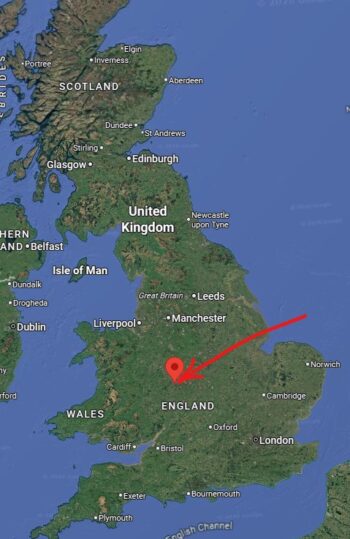
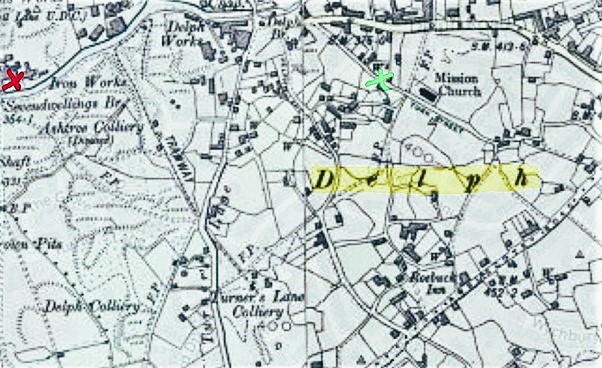
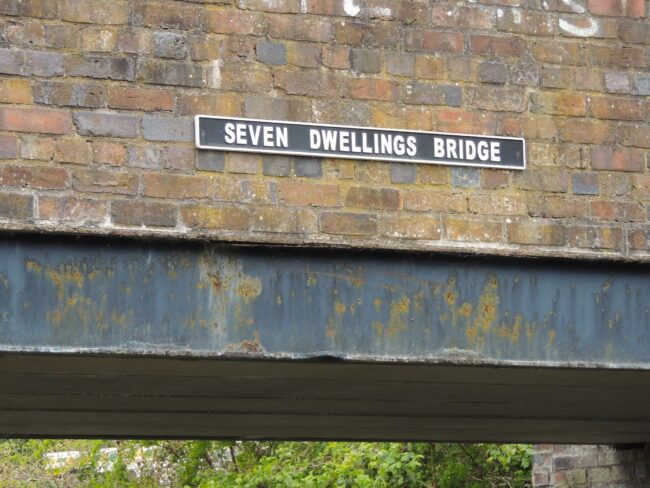
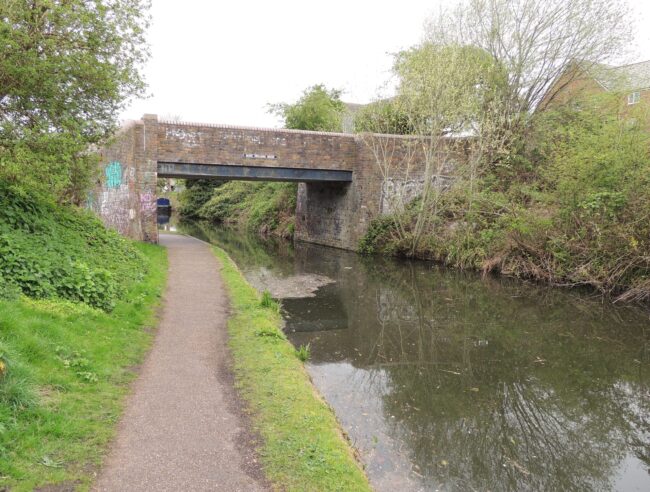
Jonas Bolton was born around 1806 on the Delph, an area of Brierley Hill that became dotted with fireclay pits, coal mines and brickworks, and lived in a small settlement nestled alongside the Stourbridge Canal called Seven Dwellings.
In 1833, he married Eliza Whittaker, a widow with two young children, Benjamin (2) and Elizabeth Raybould (4). His son, Charles, was born in 1836 and his daughter, Roseanna, in 1839.
Just over a year after Roseanna’s birth, Jonas, then a collier, entered The Crown public house on Brettell Lane, a short walk from his home, at around 10pm on 31 October 1840.
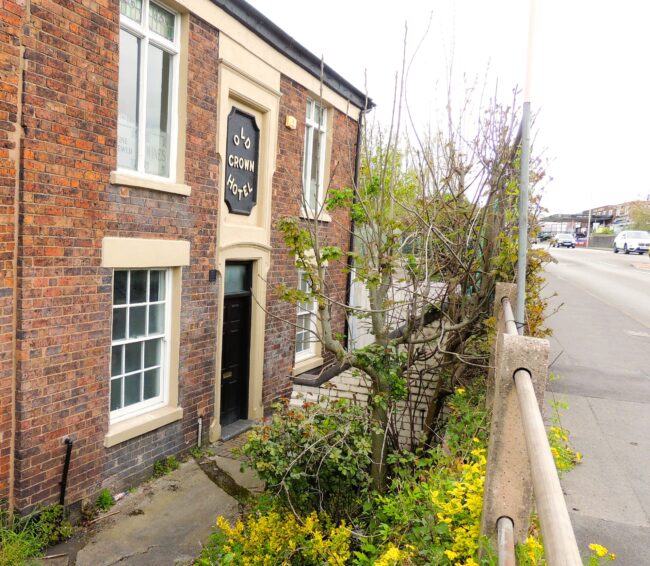
A neighbour from Seven Dwellings, Richard Dudley alias Onions, was drinking in the pub kitchen. Various witnesses stated that Jonas took a jug in front of Richard and drank beer from it. The two then quarrelled and agreed to fight. As they got up to fight, Jonas stabbed Richard in the chest with a spring-backed knife. A surgeon, William Truck, was called as Richard was bleeding heavily. He later testified that the knife wound had caused serious internal injuries and that he had feared that Richard Onions would die from the attack.
Jonas was immediately taken into custody and appeared at Stafford Assizes on 10 March 1841, indicted for unlawfully and maliciously cutting and wounding Richard Onions otherwise Richard Dudley. He was found guilty, the judge stating that the crime was too common and needed to be checked. Jonas’ sentence of 10 years’ transportation was to act as a deterrent to others.
Jonas was kept at Stafford prison until being transferred to the ‘Warrior’ convict hulk on the river Thames at Woolwich in London on 17 May. A few weeks later on 6 June, his wife was recorded as a brickmaker living on the Delph in Brierley Hill with her four children and 75 year old father, Joseph Whittaker, a nailer.
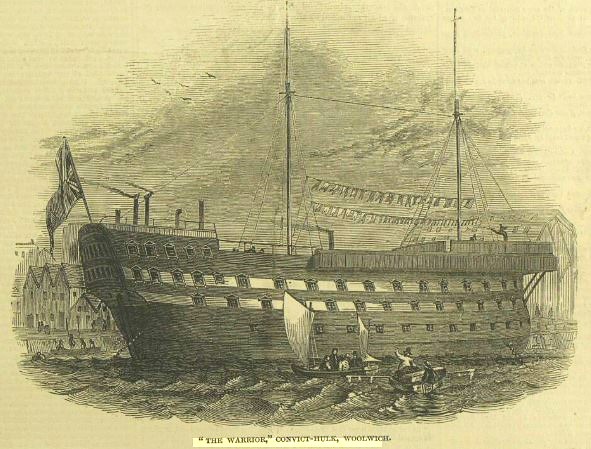
The Illustrated London News took the Warrior as an example of a hulk prison in February 1846.
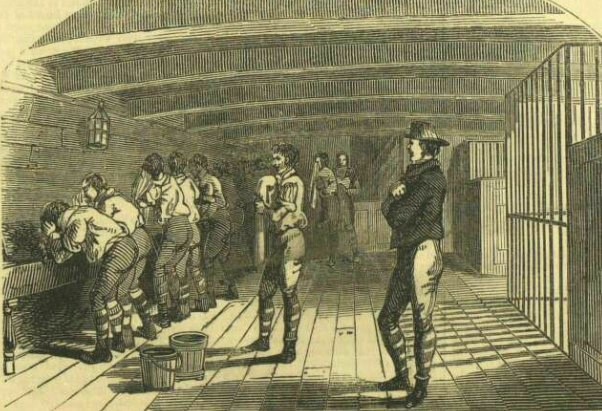
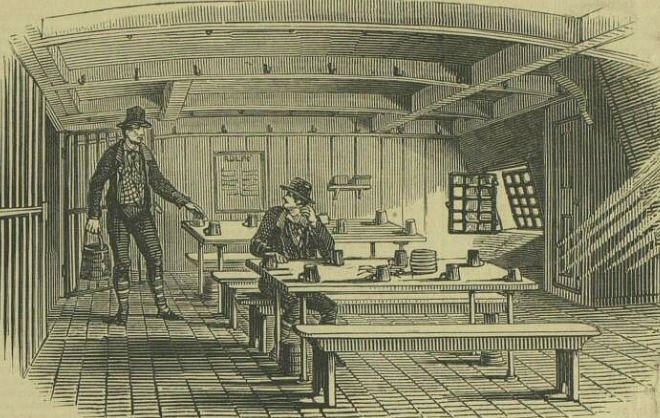
The daily routine of a prisoner on the Warrior prison hulk was described:
5am: dress, lash hammocks, wards unlocked, prisoners led out to wash, hammocks stowed, breakfast, ship cleaned
7.30am: muster, labour in the dockyard
Noon: prisoners return to hulk, dinner, inspection of bedding and clothing
1pm: labour and duties in the dockyard
5.30pm: prisoners return to hulk, wash, muster, supper, ship cleaned
8pm: hammocks handed out, muster taken, retire to rest, observance of general silence
Sunday: divine service.
The hulk register for the Warrior noted that Jonas Bolton was illiterate, orderly and of a sullen disposition and that he was transferred to the ship Somersetshire for transportation to Van Diemen’s Land on 8 November.
Transportation
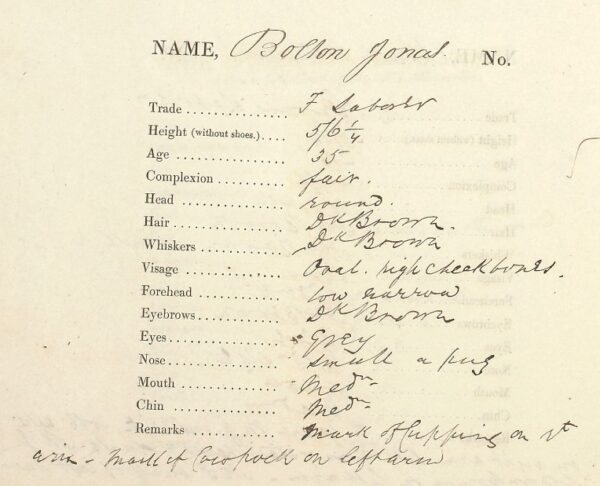
The Somersetshire departed from Plymouth on 20 December 1841 with 218 male prisoners on board. Jonas Bolton was described as 5 foot 6¼ inches tall, having a round head with an oval face, dark brown hair, grey eyes, high cheekbones and a small pug nose.
The Somersetshire’s passage to Van Diemen’s Land (Tasmania) was noteworthy as a mutiny involving both convicts and guards was planned during the sea voyage. The plot was to seize the ship and sail to South America after murdering and setting officers adrift. On learning of this plan, the commander, Captain Charles Motley, landed at Table Bay at the Cape of Good Hope. The convict transport was delayed for two weeks and a court martial was held on the ship. Private John Agnew of the 99th Regiment was sentenced to be shot to death and privates John Kelly and Walter Chisholm were sentenced to be transported for life.
The convict ship departed from Table Bay on 12 April and arrived at Hobart Town, Van Diemen’s Land on 30 May 1842 after completing a journey of just over five months.
Tasmania
On arrival in Hobart, Jonas was put on 2 years’ probation and assigned to the station at Victoria Valley. Around 300 convicts were selected for the work to clear and drain the land to build a farm in 1842. The farm was to be sold after three years.
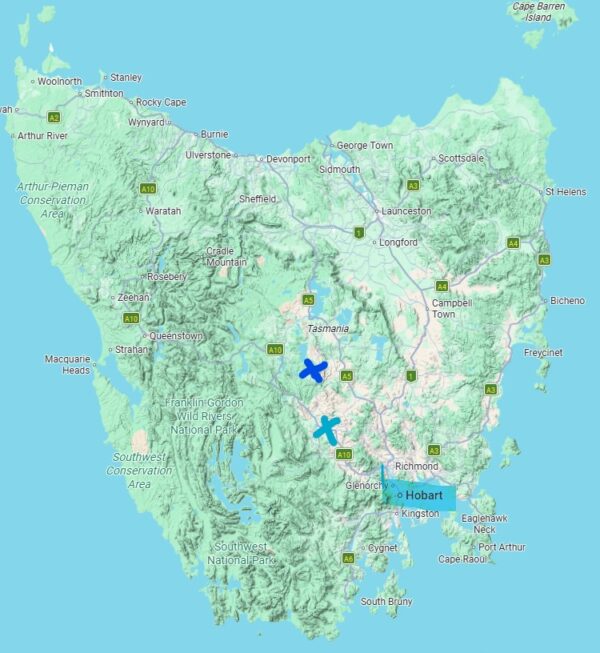
The project was not a success as confirmed in an article in The Cornwall Chronicle in November 1843:
The cost of conveying provisions to the isolated wilderness known as Victoria Valley is said to exceed £9 per ton; and, at even that price, we have heard that the contractor has found himself a loser. The Nine-mile Marsh it said to be nothing better than one unmitigated morass, useless in its present state, and scarcely capable of improvement. It is situated at about forty miles from the Township of Hamilton, and forms a part of what is usually denominated the ‘New Country.’ The climate is of precisely the same character as that of Macquarie Harbour, and the land is generally either densely wooded or otherwise overspread with lakes and marshes.
As a station for probation men, it is one or the worst which can possibly be conceived; and we have heard such representations concerning the laxity of discipline observed amongst them, as to almost exceed belief. They are said to spend one-half their time in ‘ kangarooing’ (in which they are closely imitated by the military), and the other in grumbling at their provisions and abusing their overseers. Absconding is also stated to be so common amongst them, that the absence of half-a-dozen men at a time excites little or no surprise, but is merely considered as an intimation that the amount of labour exacted is considered as oppressive. Under these circumstances, the overseers redouble their exertions to keep the ‘poor fellows’ in good humour; and should their efforts be seconded by the opportune arrival of a fresh stock of tobacco, why, there may exist some slight possibility of success.
The convicts were withdrawn from Victoria Valley to the town of Hamilton in 1845.
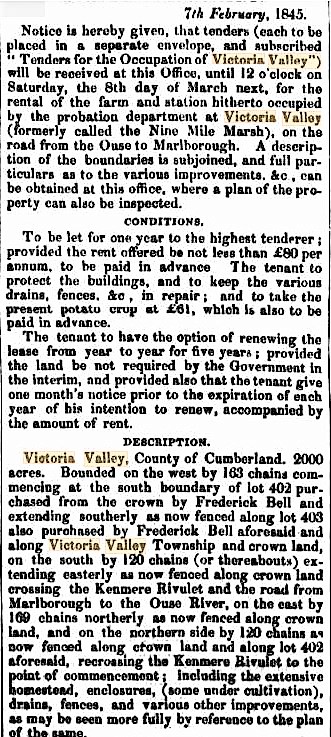
Jonas was released from the first stage of his probation on 30 May 1844. He was in Hamilton in 1845 when he was reprimanded on one occasion for refusing to work and in January 1846 when he overstayed his pass.
The Colonial Times announced that Jonas Bolton had been granted a Ticket of Leave in February 1847, allowing him to seek employment and work within a designated area, presumably Hamilton. Jonas was recommended for a conditional pardon in October 1848 as he had completed upwards of 7 of a 10 year sentence and his conduct has been good. This was approved in December 1949.
Return to England
A conditional pardon meant that Jonas was free as long as he remained in Tasmania for the time of his original sentence until 1851. His wife, Eliza, can be found in March 1851, living with three of her children, Elizabeth (22), Charles (14 – a stone miner) and Roseanna (11) on Pitt Street on the Delph in Brierley Hill.
There are no records of Jonas’ whereabouts from 1851 to 1861 but somehow he found the means to come back to his family in England during those years. Very few transported convicts made the journey home. Quite how Jonas, a former convict and labourer, managed to return to England is open to speculation. Did he pay for his own passage? If so, how? Did he work on a ship returning to England? Did he change his name?
However he managed his return, Jonas was back on on Turk Street on the Delph living by April 1861 with his wife and daughter, Roseanna, and working as a labourer in an iron works.
United States
Jonas’s daughter, Roseanna, married John Rowley in 1863. John emigrated to the United States in 1868 when his wife was pregnant with her second child, Jonas Rowley.
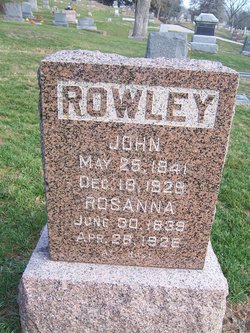
Roseanna, her children, and her parents, Jonas and Eliza – then in their early 60s, followed John and emigrated to the United States, sailing from Liverpool to New York in 1869. They firstly settled in a small community at Broad Top, Bedford, Pennsylvania.
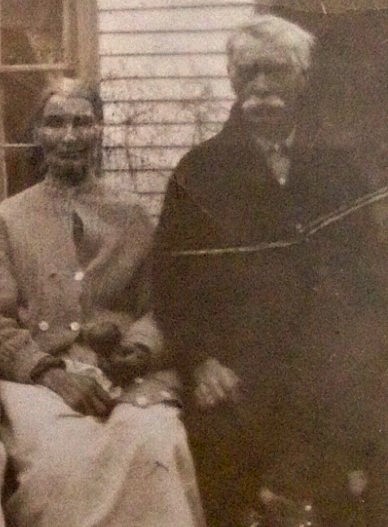
Jonas’ widow, Eliza, and the growing Rowley family had moved to Iowa by 1881 meaning that Jonas must have died at some point between 1870 and 1880. Eliza died in December 1894 at the age of 85 and is buried at Oakview Cemetery in Albia, Iowa.
Connection to me: John Edge and Sarah Newman were my 5x great grandparents. Their son, Joseph Edge (1805-1878) married Phoebe Whittaker (1807-1852). Phoebe was sister to Eliza Whittaker, Jonas Bolton’s wife.